Regular, foreseeable time with equines adjustments individuals. Not overnight, not in one magical session, however in the peaceful rhythm of appearing week after week. The barn smells the exact same, the crushed rock crunches the very same, and a gelding who saw you from the much fence last Tuesday satisfies you at eviction this Tuesday. That sort of uniformity is where healing horsemanship and other equine-assisted solutions shine. The job is experiential and somatic, based in the present moment, however the real payoff appears in patterns. Anxious hands soften. Breathing reduces. Interest widens. Limits come to be more clear, kinder, and firmer.
I have actually seen teenagers https://jsbin.com/nadebapovu with ADHD arrange their technique to tacking without a timely after 8 weeks of technique. I have walked beside adults who begin a session with chest-tight anxiety and surface high, shoulders unlocked, breath even. I have actually stood with moms and dads that weep silently when their autistic child initiates a grooming series, awaits a horse to shift weight, and afterwards beam of lights when the hoof lands gently in their palm. None of it is a trick. It is the end result of well-structured equine-assisted activities, kept in a regular container, across seasons.
Why constant weekly job changes outcomes
Horses respond truthfully to what remains in front of them, not to what we meant to do. That comments loophole educates self-awareness faster than lectures. The nervous system also suches as rep. Somatic recovery with steeds improves this reality, using basic, repeatable experiences to enhance law. When a participant methods stopping at a cone, stopping briefly to check for the steed's ear flick or eye blink, then breathing out prior to requesting for a progression, the body learns that series. Executive function, impulse control, and sensory inflection all benefit from wedding rehearsal in a living atmosphere that additionally really feels meaningful.
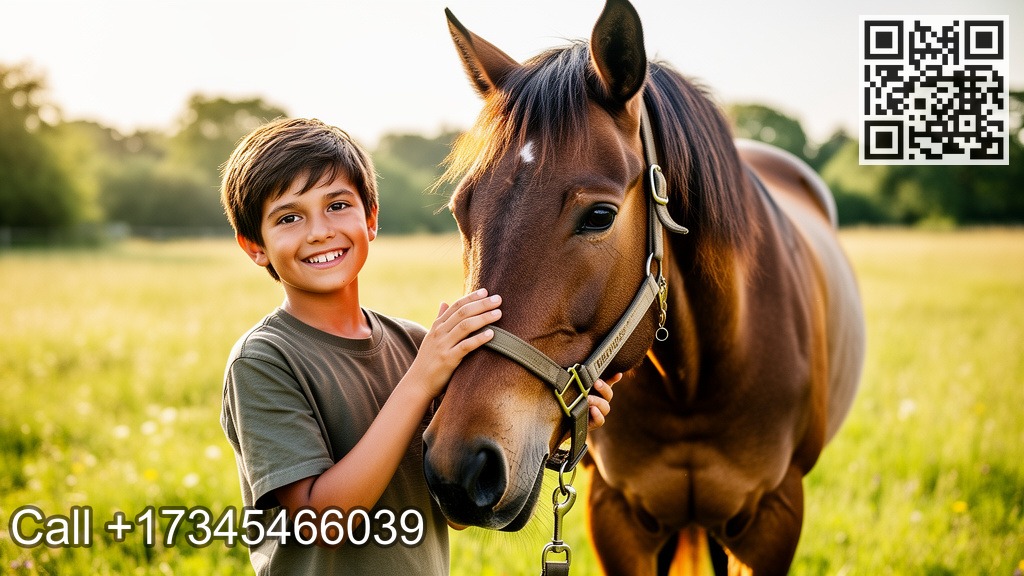
One-off experiences bring insight and are fantastic for introductions or corporate spirits. For actions change, the nerves needs gradual exposure, time in the saddle or on the lead, and opportunities to stop working safely and attempt again. Weekly sessions, especially in 8 to 12 week arcs, provide room for micro-adjustments. You can scale jobs up or down, repair work tears, and commemorate tiny wins that would be unnoticeable in a solitary intensive.
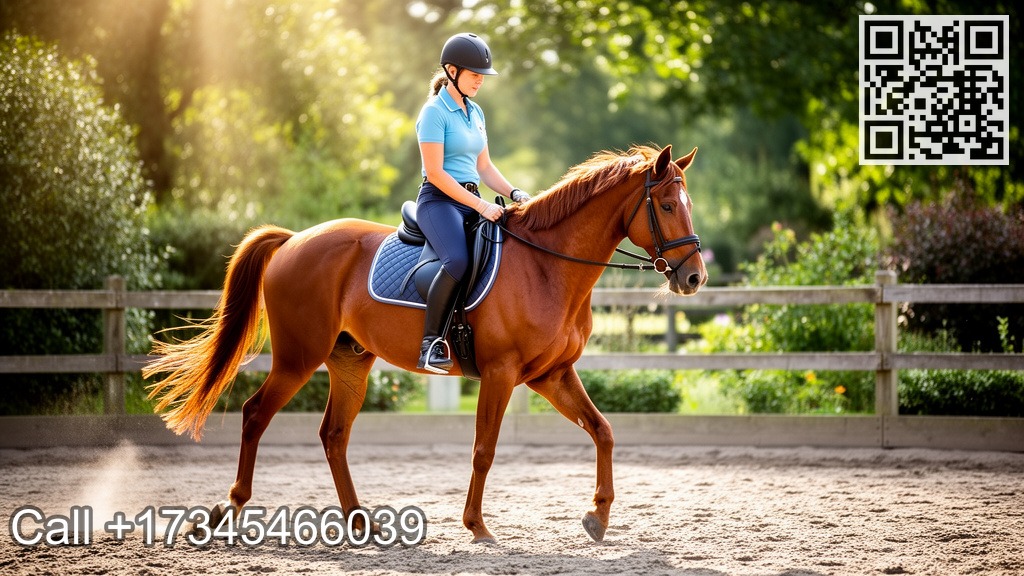
What a session really looks like
Visitors often expect nonstop riding. Actually, equine-assisted services include a range: foundation, grooming, challenge job, installed job, and reflective integration. The balance relies on objectives, climate, and the individual's nervous system on that day.
A common 60 min healing horsemanship session for a young people with interest difficulties might stream such as this. The first five mins at the rail check in on rest, school, and energy, then co-create a two line strategy. Fifteen mins of grooming adheres to, with a focus on sequencing, bilateral motion, and relational understanding: curry in circles, examine the eye, button sides, notification when the horse changes. 10 minutes of leading educates timing. We could exercise stop-start, backing 3 actions, or weaving cones with tidy turns. If installed job fits the goals and consent is clear from both motorcyclist and steed, we spend twenty minutes at walk with changes, uploading practice, or trail patterns. The last 10 mins evaluate what transformed, then return the horse to the paddock with a cool-down walk and a final give thanks to you.
Equine-assisted training for grownups or groups often makes use of foundation just. You could establish a boundary exercise, such as sending an equine through a chute without stepping inside the rails on your own. Or develop a team building with equines test where sets lead 2 horses via different barriers while keeping an agreed distance and rate. The debrief attaches barn options to workplace habits.
The steed as co-facilitator, not a tool
Good programs deal with horses as partners with agency. That is not emotional. It is sensible and ethical. Steeds are prey pets with wide sensory transmission capacity. They get micro-tension, breath patterns, and intent. If we pay attention, they end up being specific mirrors, not courts. A mare who leaves each time an individual stiffens is not being tough. She is providing the kindest feasible responses regarding congruence.
We construct sessions that respect this. Steeds can decrease a demand or deal consent signals that we honor. We rotate workloads, fit tack carefully, and handle herd characteristics so the horse at the office is mentally offered. Weekly routines spread job across the herd and keep individuals fresh. On warm weeks, we shorten strengths or pivot to shaded foundation. In winter season, we select much shorter installed collections with longer warm-ups to shield joints.
A year-round calendar that maintains momentum
Consistency across periods is where numerous families stumble. College begins, daylight reduces, mud gets here, and the regular liquifies. With a useful year-round design, you can maintain equine-assisted solutions without burnout.
Spring welcomes brand-new objectives. Steeds dropped, power rises, and outdoor area opens. We assess winter season achievements and include 1 or 2 fresh difficulties, like a sensory lane with wind chimes and tarps for an Alternate treatment for sensory obstacles track. Springtime likewise brings allergy factors to consider and slick footing on thaw days, so we plan much shorter trots, even more walk poles, and extra time for field returns.
Summer lengthens sessions. Mornings or nights avoid warmth. For ADHD equine discovering support, this is a solid duration to expand jobs: multi-step barn chores, installed trail loopholes, and timed however pressure-light video games that award sequencing over speed. Hydration and shade issue. Equines need salt, rest days, and fly security. On high warm index days, we transfer to fan-cooled grooming bays and breath work with hay nets visible to maintain motivation high while staying safe.
Autumn concentrates. Routines return with institution, and we use the structure. Field work sharpens, patterns end up being much more accurate, and sensory load is modest with fewer insects and milder temperatures. Fall is also my preferred period for equine-facilitated wellness sessions that mix mindfulness, long-line leading, and field monitoring of herd habits. Individuals discover to spot subtle communications, like a tail swish that suggests action, or a triangle of space supplied to a lower-ranking gelding.
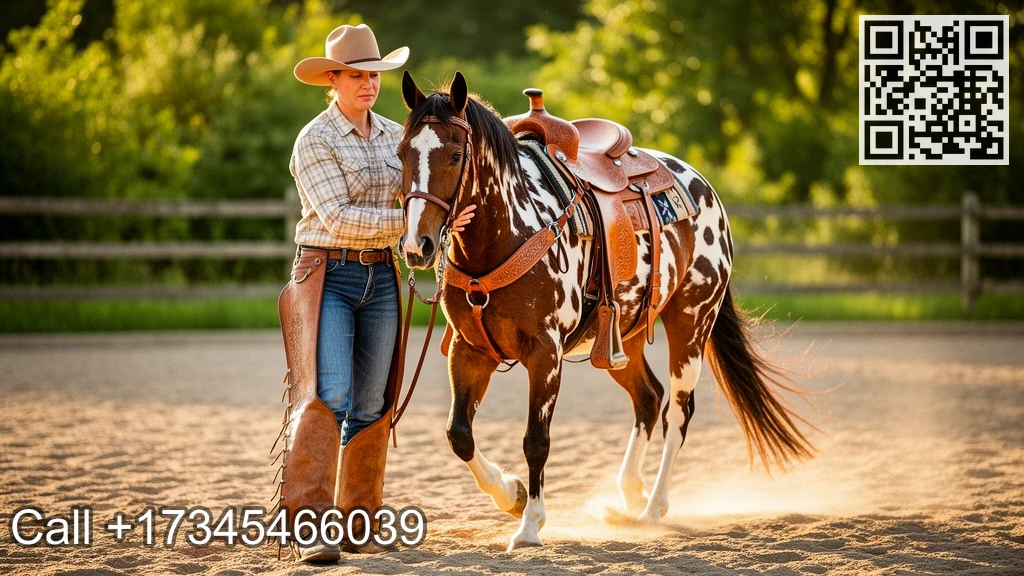
Winter shows perseverance and body treatment. Installed work might shrink to home windows of fair ground, but foundation can prosper. We do more indoor or sheltered sessions, freedom operate in tiny pens, and sluggish, thoughtful exercises that construct position and balance. Grooming comes to be reflective warmth, with focus to skin, ears, and unguis. Somatic recovery with steeds in wintertime leans into breath, rhythm, and co-regulation. No one is in a thrill, and truthful remainder counts as progress.
Case illustrations from the rail
A center schooler with a mixed discussion of ADHD arrived tight-jawed and late most weeks, chatting quick, shoes unknoted, backpack askew. The very first month, sessions focused on foreseeable bookends: hang backpack on the exact same hook, say hello by name to the very same two equines, inspect the whiteboard for the strategy. Brushing devices resided in a caddy in a taken care of order, and he returned each item before moving on. By week six, he started the series without cueing. By week 8, he asked to post at the trot, an extra complicated motor job. His classroom educator reported a moderate but real decrease in missing assignments, from 7 in September to 3 in October. At the barn, he moved from verbal impulsivity to waiting a complete breath after an equine's ear flick before offering his following cue.
A nine years of age in an autism equine finding out program spent the first numerous sessions just enjoying the herd. We maintained stress reduced. He liked repeating the same course to the very same mare, standing with one hand on the fencing blog post. On week four, we added a sensory route with crunchy leaves and a reduced bridge. He pressed his hands on the bridge slab, taken a breath out, then led the mare over in 2 careful steps. The modification was a shudder via both bodies. After that, he practiced halts with the bridge as his reset point. 2 months later, his occupational therapist kept in mind boosted tolerance for changes in school, particularly when a foreseeable sensory anchor was offered.
A 32 years of age with high baseline anxiety desired equine-assisted training to stop cold during presentations. We concentrated on foundation. She practiced asking a consistent gelding to back 3 steps, then stop briefly, after that generate hindquarters one step. The series was intentionally short. When her breath hitch returned, the gelding elevated his head a hair. She discovered to smile a little at that hint, exhale, lower her hands, and ask once more. By session 10, she could hold leisure through a longer pattern. She reported her heart rate in conferences dropped from the 120s to the 80s, verified by her smartwatch.
A young adult with sensory handling difficulties feared loud sectors. We constructed resistance in slim slices. Beyond lessons, we did five min strolls near the arena door, after that inside with ear defense, after that 2 cones in view, then a lead stroll while one cyclist run in a corner. The program really felt boring theoretically. In practice, she acquired skill in seeing overwhelm before it surged. That is the essence of anxiousness support with steeds: not brute-forcing exposure, however reviewing straightforward signals and changing with dignity.
Skills that take a trip home
Equine-assisted activities look like steed tasks. Beneath that surface area, they grow skills that stick away from the barn. Leading a horse off the shoulder at a stroll trains rate control and spatial boundaries, beneficial in congested hallways. Cleansing unguis needs reciprocal sychronisation, exact positioning, and patience. Placing needs a list in a clear order, which maps straight onto packing a knapsack or preparing for a conference. Experiential understanding with equines builds meta-skills, not trivia.
Somatic tools become muscle memory. Participants learn to check peripheral vision, drop their shoulders, and breathe into the tummy due to the fact that a steed's lick and chew tells them they hit the best note. Over months, those hints swap to inner ones. That is the handoff we desire: from outside psychophysiological feedback to resilient self-regulation.
Coaching for leaders and teams
Equine-facilitated training is sometimes rejected as a trust fund autumn with hay. The significant programs do not chase after theatrics. They set up jobs that reveal default patterns, then support clean experiments. In a group structure with steeds context, one team could uncover that 3 exhibitionists offer cues at the same time, puzzling the horse and each other. The horse stalls, ears snapping in between voices. With advice, they agree on a lead and a time-bound strategy. The horse complies with within secs. The debrief is sober and concrete: share airtime, specify duties, keep the ask simple.
The actual advantage of repeating job is carryover. Quarterly or month-to-month follow-ups beat one-off offsites. Leaders bring online jobs, run a barn task with the exact same interaction patterns, and leave with one or two specific modifications to check Monday morning. Over a year, cohesion expands in quantifiable means, like shortened meeting times or faster decisions at stuck points.
Safety, range, and great judgment
Not every barn is a center. That is great. It does mean we require quality. Healing horsemanship concentrates on horsemanship abilities taught with adaptations that sustain growth and wellness. It is not psychological health treatment. Equine-assisted services is a broader umbrella that can include equine-assisted psychotherapy when a qualified clinician partners with an equine expert. Programs ought to be transparent concerning credentials, supervision, and limitations. Households are worthy of to know when a referral to a mental wellness specialist is appropriate.
We have difficult lines on safety. Headgears for mounted work and typically for foundation with youth. Clear quit words. Approval from equine and human. Climate calls that err on caution. An excellent sector rule of thumb is to assess risk each 10 mins and act early. The expense of rescheduling is less than the price of pressing through a warning, whether that is a steed's limited jaw or an individual's dissociation.
A straightforward means to maintain once a week sessions sustainable
The hardest component of consistency is logistics, not inspiration. Borrow from sporting activities. Put barn time on the family members schedule and secure it like a game.
- Choose a time you can defend 80 percent of the year, not a best port for a solitary season. Prepare a barn bag that obeys the door with boots, rainfall coat, handwear covers, and a snack. Build a brief pre-lesson routine: washroom, water, three deep breaths in the automobile, then go. Pair the drive with a gratifying routine, like a preferred playlist or audiobook chapter. If you have to miss a week, schedule a same-week touchpoint, also a 15 minute foundation check-in, to keep the groove.
Measuring development without missing the point
Data helps. Perfection eliminates joy. We track a handful of signs and revisit monthly. For a youth in ADHD equine finding out support, we could count the number of grooming tools return to the caddy without prompts, or the number of secs pass in between a hint and a horse's reaction. For stress and anxiety support with steeds, we could log pre and post session breath price, or request a 1 to 10 rating of distress at three points during the session. Teachers and caretakers can share parallel notes: less missing out on tasks, much less morning dispute, calmer going to beds. If a number matters, it is because it relates to a lived outcome.
At the barn, we likewise accumulate qualitative notes. Did the individual notification and express an equine's signal accurately? Did they repair an error without spiraling right into embarassment? Those flags frequently forecast durable change better than a stop-watch alone.
Caring for the steeds through the seasons
Consistent services just work if the steeds prosper. That needs planning. We develop a herd with various sizes, ages, and gaits so we can match equines to objectives and revolve workloads. A calm gelding is not a default novice equine, and a delicate mare is not off-limits to new participants. We believe in weeks and months, not just day-to-day timetables. A steed that functions 3 sessions Tuesday may obtain Wednesday off or a trail walk only, after that a light Friday. In summer, we track warm stress and anxiety signs and adjust by degree, not by blowing. In winter months, we allow added workout time and skip collected deal with icy ground.
Conditioning issues. Horses stay audio with diverse surfaces, hillside job, ground posts, and days that are simply very easy. Psychological health matters as well. Turnover with a compatible herd is non-negotiable. We allowed equines claim no and we pay attention. An equine who pins ears at the installing block gets a vet check, a saddle fit check, and a work review prior to returning to work.
Common obstacles and convenient fixes
Weather is the obvious villain. A covered sector helps, however not all programs have one. Imagination bridges the gap. On mud days, foundation in a barn aisle can be richer than a sloppy loophole in the field. Use cones for small challenges, show a two step back and a bend, or established a miniature sensory path with a tarpaulin and a wind sock.
Transportation stops working. Companion families or experience shares with history checks can decrease cancellations. Deal periodic virtual check-ins when travel breaks. The participant can exercise breathing, visualization, and a gear talk-through with a curry comb in the house, after that return next week with much less rust.
Motivation dips around weeks 5 to seven in numerous programs. Plan for it. This is where small, visible victories maintain energy. Introduce a brand-new yet possible pattern, film a short phone video clip to review progression, or invite a caregiver to watch the last five minutes and share an authentic observation.
The first four weeks, up close
If you are brand-new to equine-assisted tasks, the very early arc sets tone and depend on. Below is a reasonable slide path.
- Week 1: Fulfill the herd, excursion the space, technique barn policies by doing, not talking. Touch grooming tools, lead simply put lines, learn the quit cue. No rush to mount, also if riding is a future goal. Week 2: Add a basic sequence with selection. Two brushing devices, then one leading task, after that a breath check at the placing block. If riding, mount for 5 minutes of stroll with huge loops, dismount early to end with success. Week 3: Layer complexity carefully. Present a brand-new obstacle or a new area of the home. Method discovering steed signals aloud. Keep debrief brief and certain, with one takeaway linked to life outside the arena. Week 4: Settle. Repeat the sequence more easily, include one tiny difficulty like a halt-to-back transition, and celebrate a moment of co-regulation, whether that is a yawn, lick and chew, or a human sigh and shoulder drop.
By completion of the very first month, most participants have a map in their body. They understand where to hang their bag, where to find the curry comb, and just how to ask a steed to quit with quality. They might not call it, however their nervous system has actually started to rely on the space.
Where equine-assisted solutions fit with various other supports
Horses are not a remedy. They are a powerful context for practicing skills that many people have a hard time to discover in abstract setups. Pair equine-assisted mentoring with talk treatment when deep processing is needed. Incorporate an autism equine finding out program with school-based supports so that brand-new skills have locations to land. For sensory challenges, coordinate with an occupational therapist to identify corresponding objectives, like heavy work with barn chores and precise hand positionings during brushing to support proprioception.
The ideal outcomes show up when everybody relocates the same instructions. Share simple, concrete notes across carriers. If the barn found that 3 breaths before an ask enhances results, placed that language right into a class or office setup. If a therapist observes a pattern of freeze in social threat, bring a job to the barn that evokes a gentle version of that danger, so it can be rehearsed with support and immediate feedback.
The long view
Year-round job welcomes a slower, kinder speed. Wintertime steadies, springtime experiments, summer expands, fall fine-tunes. The steed stays a mirror and a companion, asking you to appear as you are, then try something a hair superior. Over 40 to 50 sessions in a year, adjustment solidifies. Families notice fewer debates on barn days. Educators see a rise in turned-in job. Teams run a meeting in 40 minutes that used to sprawl to 90. The horses remain well, the field stays a location of truth without drama, and the schedule holds.
If you are thinking about beginning, you do not require brave resolve. You need a Tuesday that mostly functions, a program that honors both steed and human, and a willingness to practice small things up until they matter. Week by week, they will.